CCTV vs. Access Control: Do You Need Both for Your Facility?
The Security Question Every Facility Manager Asks
You're planning the security for a new office, warehouse, or retail space in Qatar. Budget is finite. Do you invest in CCTV, access control, or both?
The honest answer: for most commercial facilities, you need both — and they work best when integrated. Here's why, and how to prioritise when budget is a constraint.
What Each System Does
CCTV / Video Surveillance
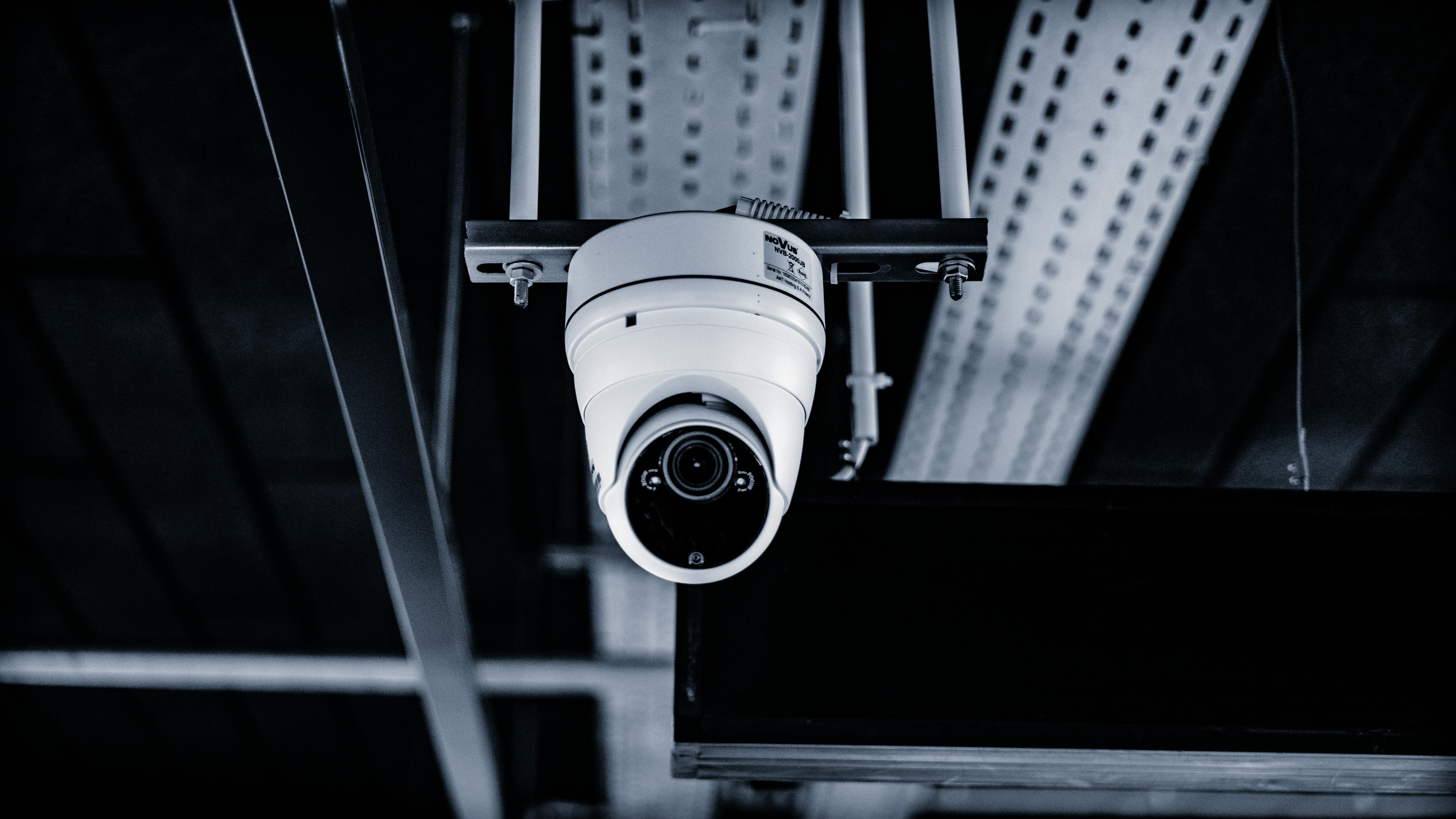
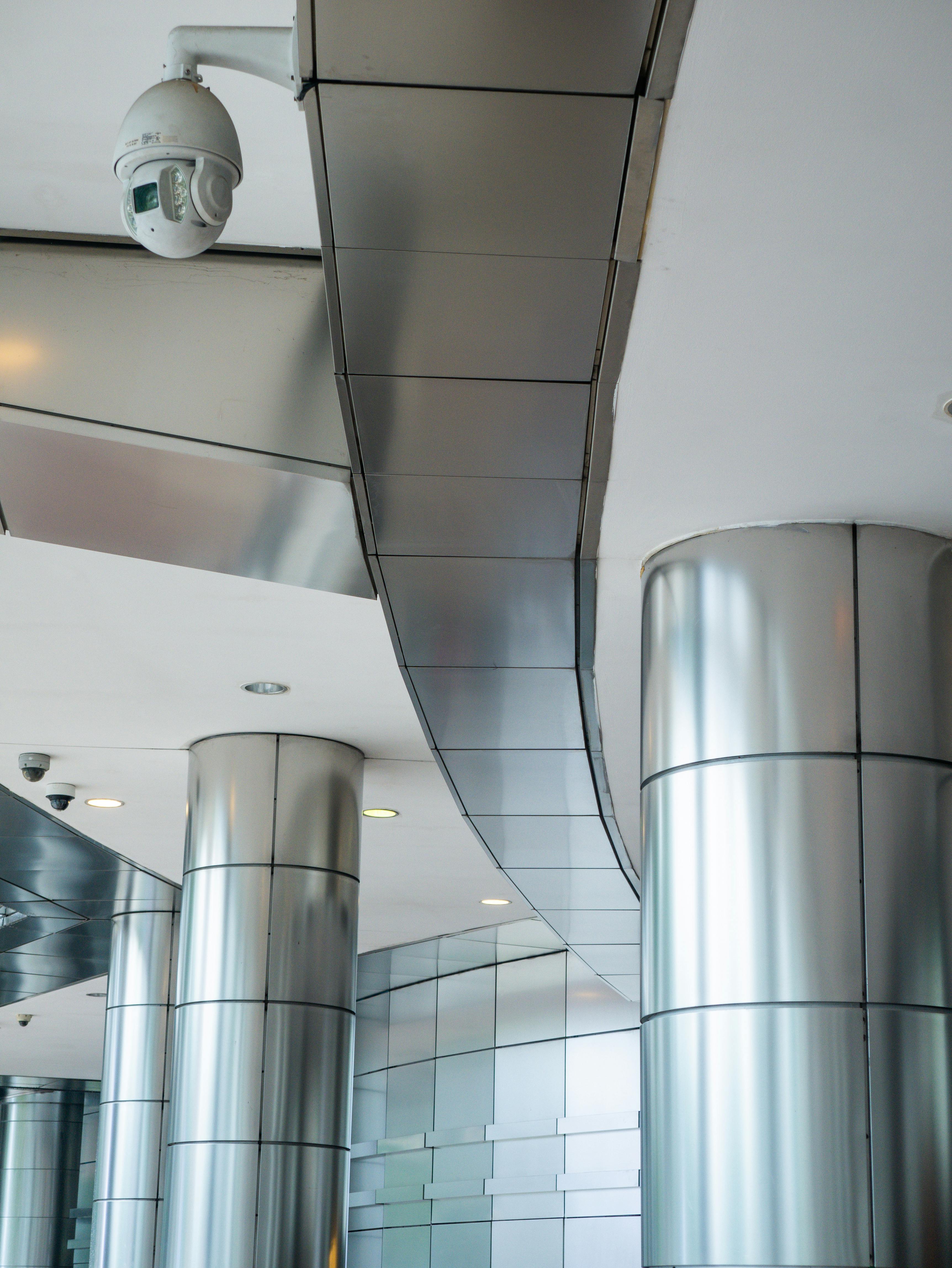
CCTV systems record and monitor activity across your facility. Modern IP cameras offer 4K resolution, night vision, motion detection, and AI analytics such as facial recognition, crowd detection, and licence plate reading. CCTV is reactive and investigative — it tells you what happened and provides evidence.
Access Control
Access control systems manage and restrict entry to specific areas. Using card readers, PINs, biometrics, or mobile credentials, these systems control who can enter — and when. Access control is proactive and preventive — it stops unauthorised entry before it happens and creates a full audit trail.
Key Differences at a Glance
| Aspect | CCTV | Access Control |
|---|---|---|
| What it does | Records and monitors activity | Restricts and logs entry |
| Coverage | Common areas, entrances, external perimeters | Specific doors and zones |
| Role | Reactive — provides video evidence after an incident | Proactive — prevents unauthorised entry before it happens |
| Cost profile | Lower cost per covered area | Higher cost per door, adds stronger physical security |
Why Most Commercial Facilities in Qatar Need Both
CCTV without access control means you can see who walked into a restricted area on camera — but you couldn't stop them. Access control without CCTV means you can block entry, but if someone tailgates through a door, you have no record of it.
Integrated together, they create a layered security posture. In Qatar, where many commercial facilities host a mix of staff, contractors, and visitors, this layered approach is not just best practice — it's increasingly expected by insurers and corporate tenants.
How to Prioritise When Budget Is Tight
- Phase 1 — Perimeter and entry: Install CCTV on all external entry points and car parks. Add access control on primary entry doors.
- Phase 2 — Internal security: Extend access control to server rooms, finance areas, and restricted storage. Add CCTV to internal corridors and reception.
- Phase 3 — Full integration: Integrate CCTV and access control on a unified platform for event-based alerts.
How Technobriq Supports Your Security Design
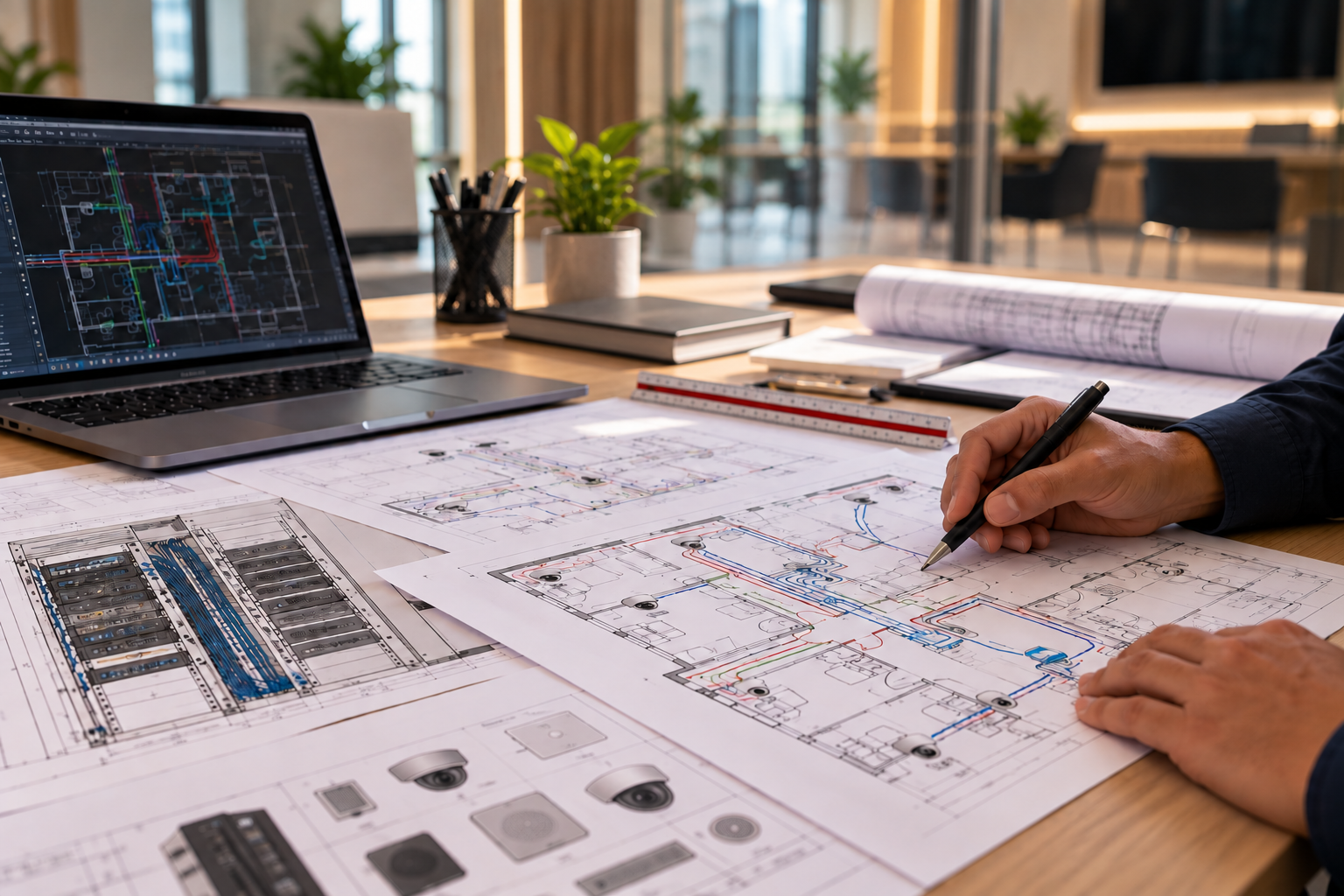
Technobriq designs and installs integrated CCTV and access control systems across offices, retail, hospitality, and industrial facilities in Qatar. We specify systems based on your security risk profile, operational requirements, and budget — not on what's cheapest or most complex.
All our security systems are designed for integration from day one, meaning you can start with CCTV and layer in access control later without ripping out and replacing infrastructure.
Frequently Asked Questions
Q: How much does a CCTV system cost in Qatar?
A: A basic IP CCTV system for a small office (8–16 cameras) starts from around QAR 8,000–15,000 installed. Enterprise systems with analytics are priced based on scoping.
Q: Which access control system is best for a corporate office?
A: Card-based or mobile credential systems from brands like HID, Honeywell, or Bosch are common. Biometric systems are popular where higher security is needed.
Q: Can CCTV and access control be managed from one platform?
A: Yes. Modern unified security management platforms allow you to manage cameras, access logs, and alarms from a single interface.
Q: Is access control required by Qatar regulations?
A: For certain facility types — including data centres, healthcare facilities, and government-adjacent offices — access control is mandated.
Q: How long does installation take?
A: A 10-door access control system with 20-camera CCTV can typically be installed in 5–10 working days for a commercial office.
Let's make your space better.
Tell us about your project — we'll scope a complete solution.
