Energy Management & Smart Building / Smart City Systems.
Multi-brand IoT infrastructure for buildings and cities that sense, measure, and optimize — from a single HVAC zone to an entire district. Technobriq delivers vendor-agnostic EMS and smart building infrastructure for Qatar, with over 70% of global emissions tied to the energy sector and organizations typically seeing 10–30% cost reductions after implementation.






What Technobriq's EMS Delivers
Technobriq's EMS combines real-time monitoring, data-driven optimization, and automated control across HVAC, lighting, and equipment — pulling live sensor data, identifying inefficiencies, and adjusting settings automatically to cut waste and support compliance reporting.
Vendor-neutral, real-time replica - one interface for energy, air quality, occupancy, and equipment health across every brand.
No separate dashboards per brand - combines data from every manufacturer into a single system.
Open, interoperable standards - keeps your data portable, not locked to one manufacturer's software.
Predictive maintenance - flags issues before they cause downtime or comfort complaints.
Scenario planning - model a new HVAC schedule or lighting retrofit before you commit capital.
Every Deployment, Built From These Blocks
Selected and configured based on your facility's scale, existing infrastructure, and monitoring priorities.
Circuit, floor, or zone-level consumption data for load profiling and cost allocation.
Aggregates data from sensors, meters, and controllers into one unified feed.
Executes automation rules — HVAC scheduling, lighting scenes, and demand response.
Temperature, humidity, CO2, and occupancy data for automation and reporting.
Runtime and energy draw tracking for chillers, AHUs, and VAV systems.
Occupancy- and daylight-linked control — one of the fastest-payback EMS upgrades.
Flow metering and leak detection across domestic, irrigation, and cooling tower water.
Tracks on-site solar and battery output against consumption in real time.
Dedicated CO2, VOC, and PM2.5 sensors for compliance reporting and occupant wellbeing.
Where Technobriq's EMS Fits
Single Facility
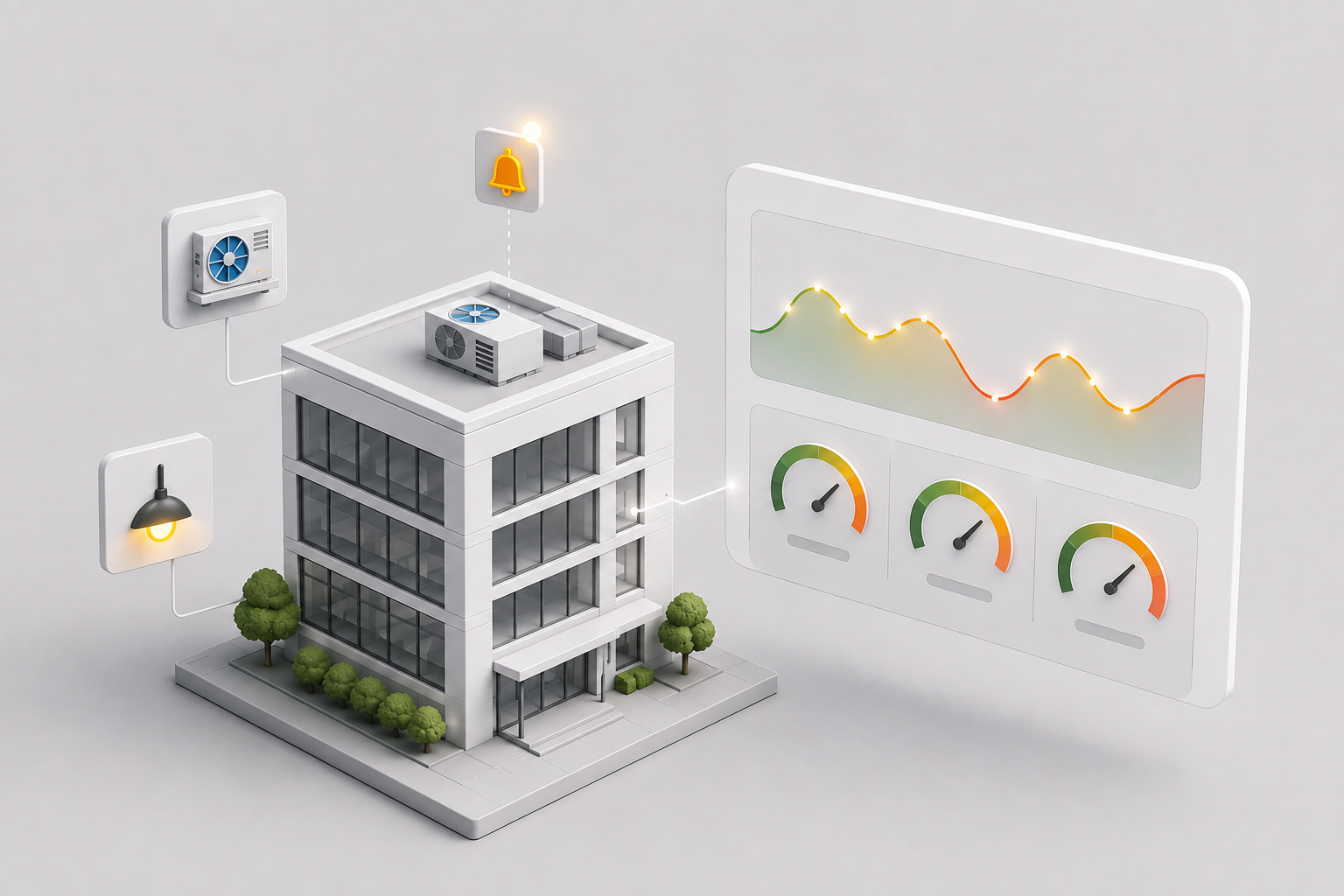
• Energy dashboards for one building
• HVAC + lighting optimization
• Real-time consumption alerts
Campus / Portfolio
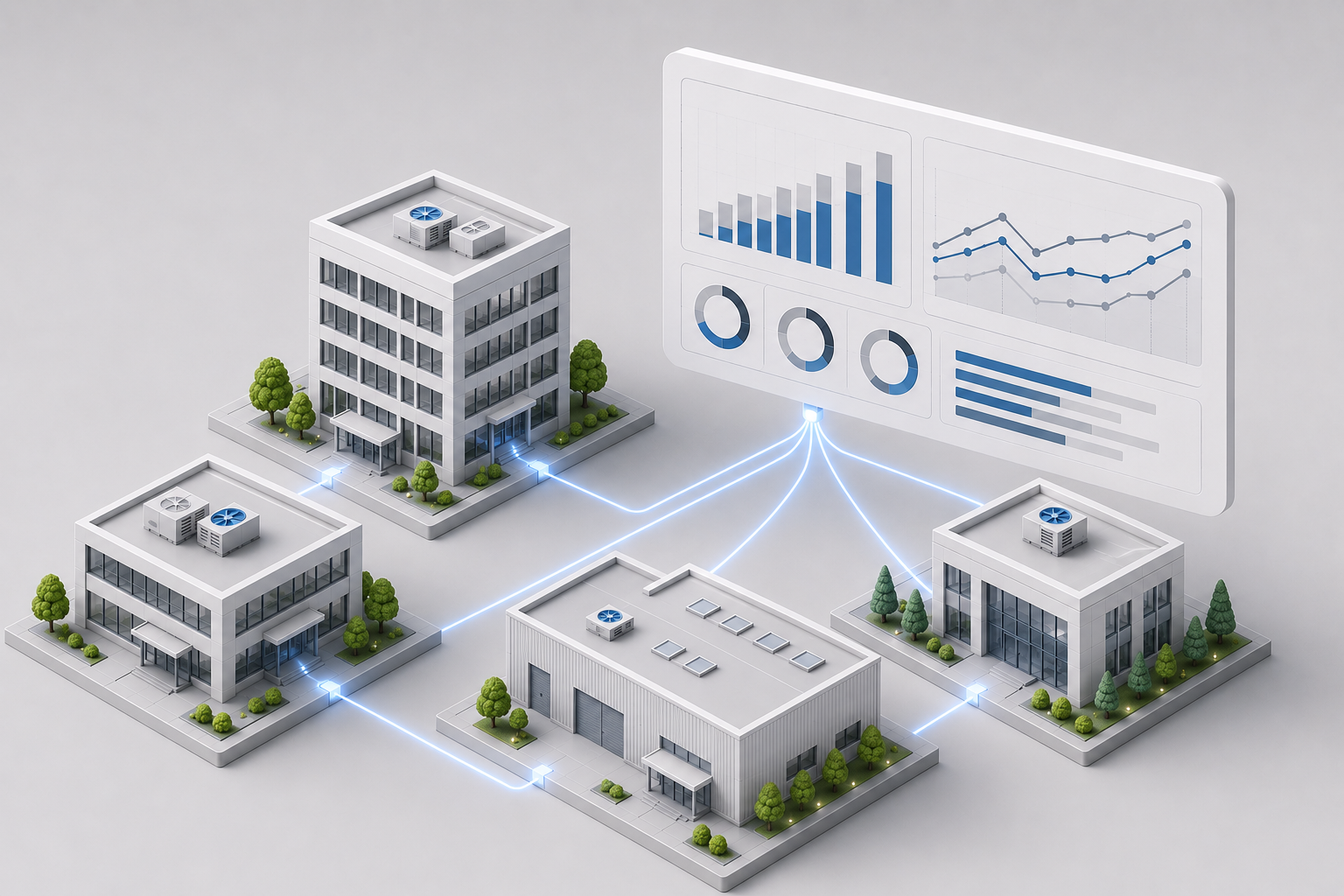
• Multi-building monitoring
• Cross-site benchmarking
• Centralized reporting across sites
Smart City Scale

• District-wide sensor networks
• Air quality, noise & occupancy compliance
• Digital twin view across the city
Questions?
We're glad you asked.
Ready to see where your building is losing energy?
From a single facility to a citywide rollout — let's talk about the right EMS setup for your buildings.
